
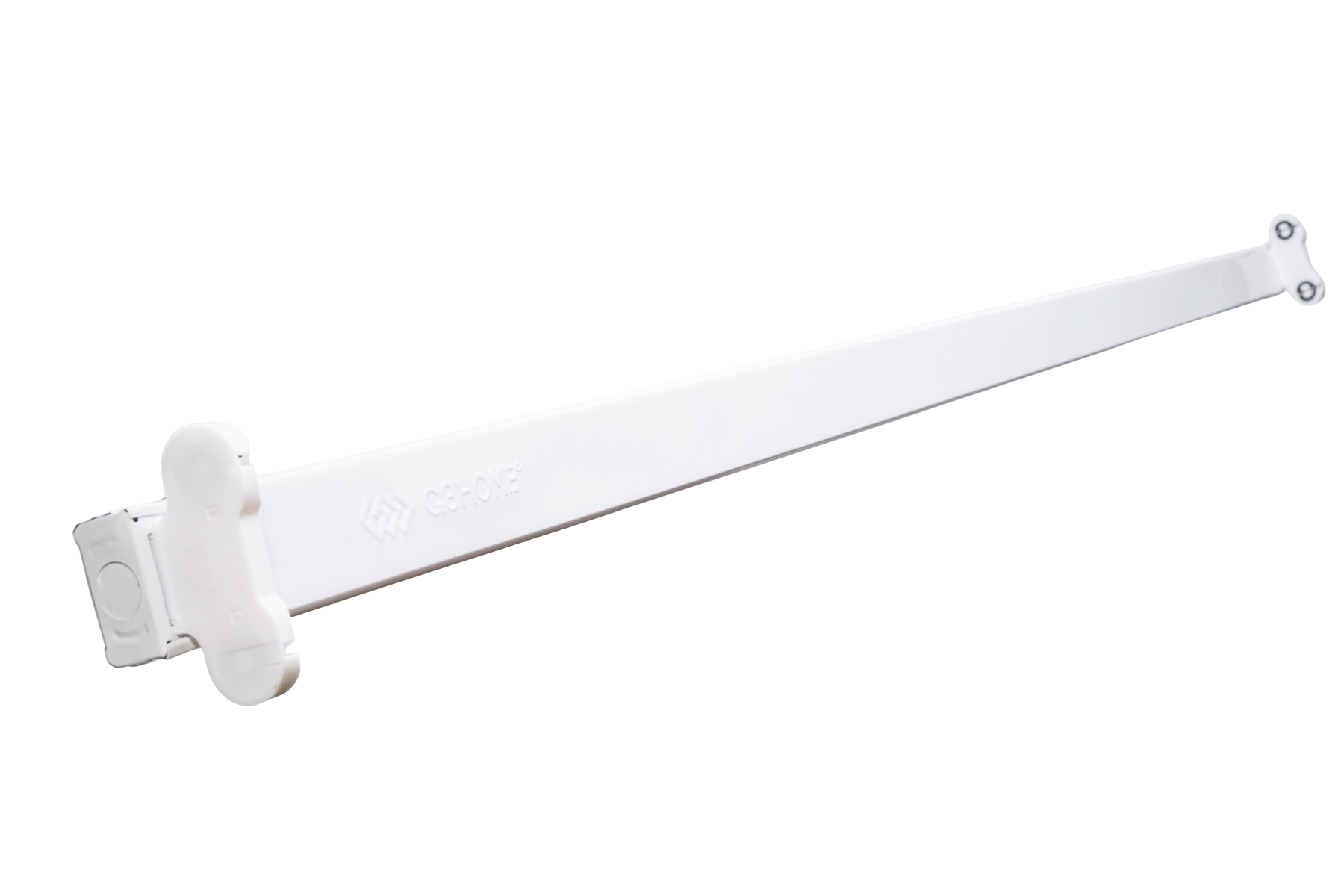

💡 LED Tube Lights – Bright, Energy-Efficient & Healthy Lighting
1. Why Switch to LED Tube Lights?
-
Energy-efficient: LED tubes consume up to 60–80% less power compared to traditional fluorescent tubes
-
Long-lasting performance: With a lifespan of 25,000–50,000 hours, they reduce replacement and maintenance costs .
-
Instant, flicker-free light: No warm-up time or flicker, ensuring comfortable vision and healthier lighting .
-
Eco-friendly: Made without mercury and built from recyclable materials, they are better for the environment .
2. Key Features & Technical Specs
-
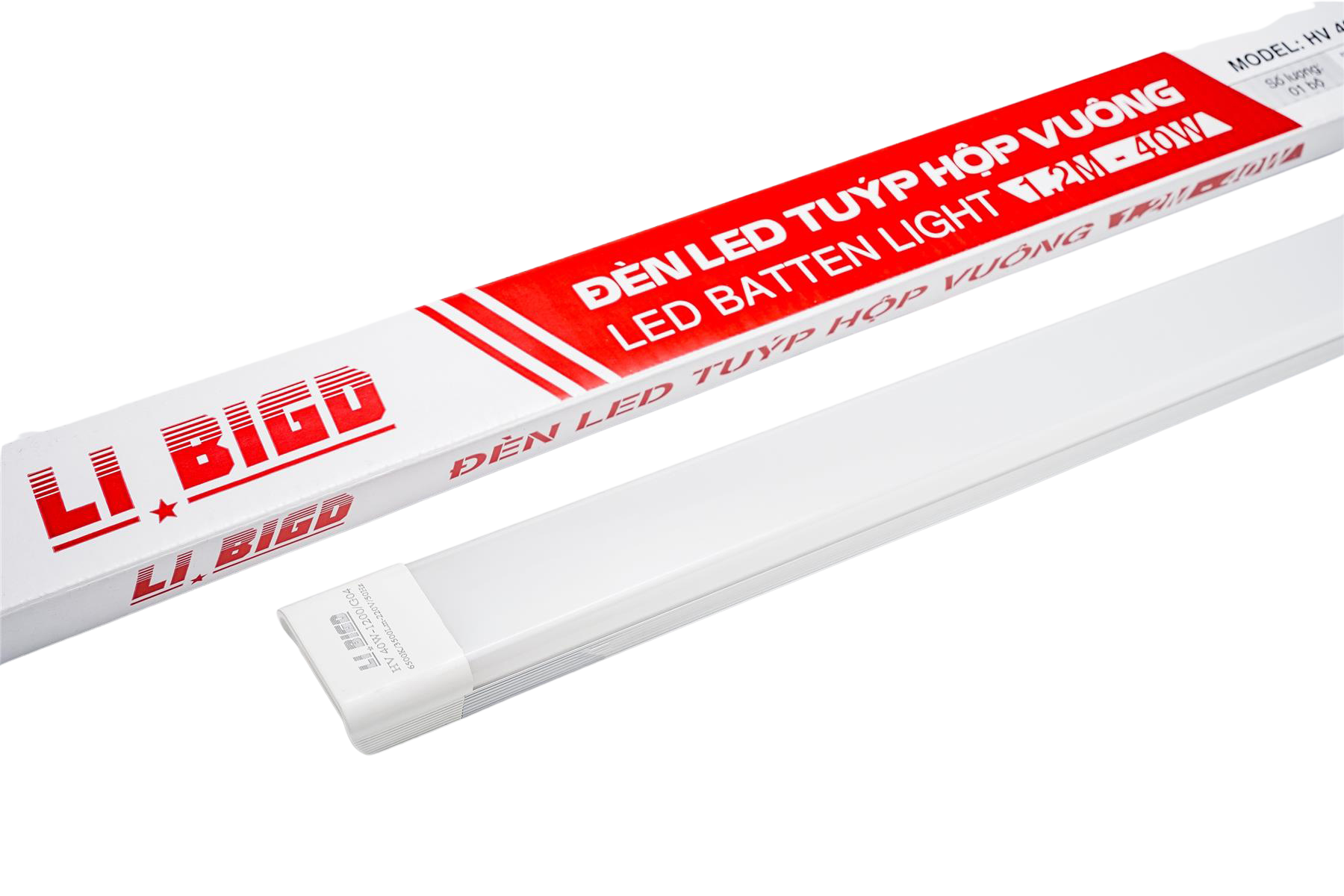
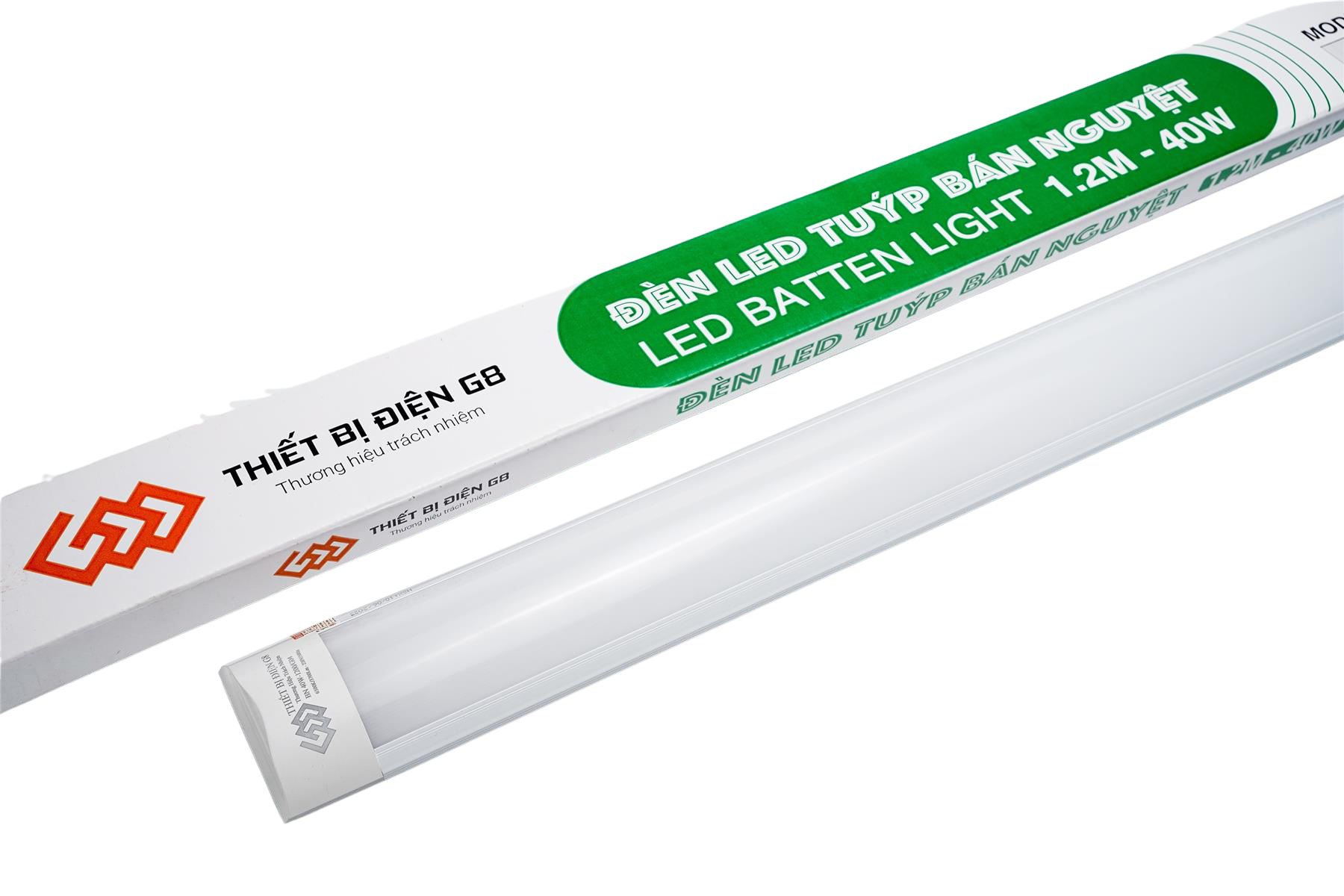
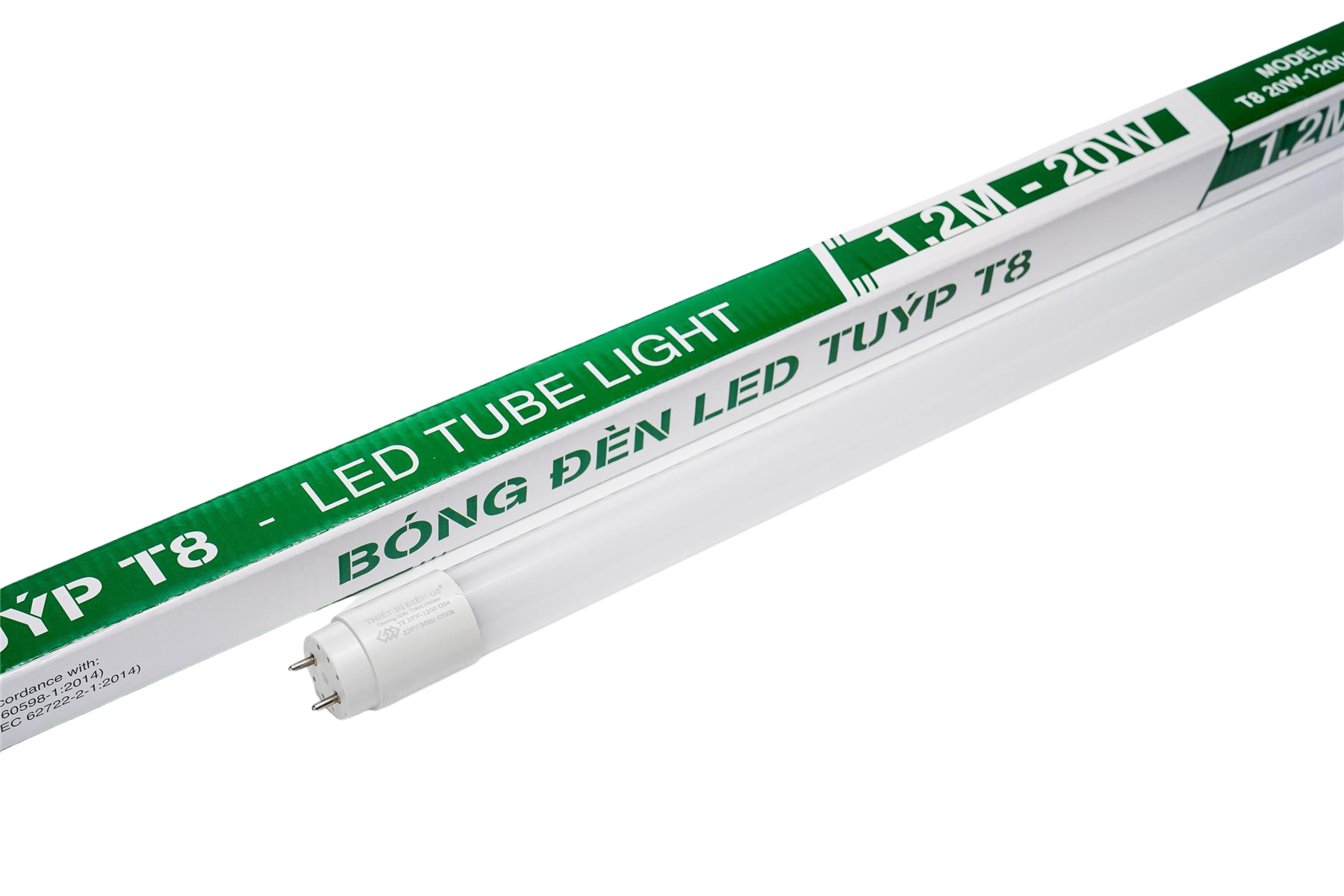
Standard sizes & wattages: Typically 1.2 m (T8) tubes ranging from 18–40 W; e.g., a 1.2 m oval tube delivers 40 W and 4,400 lm
-
Sturdy build materials: Options include durable aluminum housings for better heat dissipation
-
Wide operating voltage: Suitable for local power grids with 170–250 V support
-
Smart design options: Available in straight tubes, oval/batten styles, and half-moon profiles to suit different spaces .
3. Where to Use LED Tube Lights
-
Residential: Ideal for kitchens, living rooms, garages, and home offices thanks to soft, even lighting.
-
Commercial & industrial: Great for warehouses, retail stores, schools, and offices—providing bright, consistent illumination.
-
Decorative and specialized setups: Oval and half-moon designs add aesthetic appeal to cafes, salons, or retail displays.
4. Types of LED Tube Lights
-
By material:
-
Plastic (PC) – lightweight, impact-resistant
-
Aluminum – durable, excellent heat dissipation
-
Hybrid glass/plastic – premium look and high endurance
-
-
By size:
-
T5 (0.9 m), T8 (1.2 m), T12 (1.5 m) – suitable for different fixture depths and lighting demands
-
-
By design style:
-
Straight tubes (classic format)
-
Oval/batten tubes (integrated housing) Half-moon tubes for decorative effects
-
5. How to Choose the Right LED Tube Light
-
Pick wattage based on space size:
-
18–20 W for small rooms or cabinets
-
28–40 W for larger rooms like kitchens or offices
-
-
Choose appropriate size & fixture compatibility: T8 (1.2 m) is most common for ceilings and commercial use.
-
Select material: Aluminum for durability, plastic for budget-friendly and indoor applications.
-
Consider color temperature: Warm white (3000 K) for cozy atmospheres, neutral white (4000 K) for everyday spaces, and cool white (6500 K) for task or industrial lighting.
-
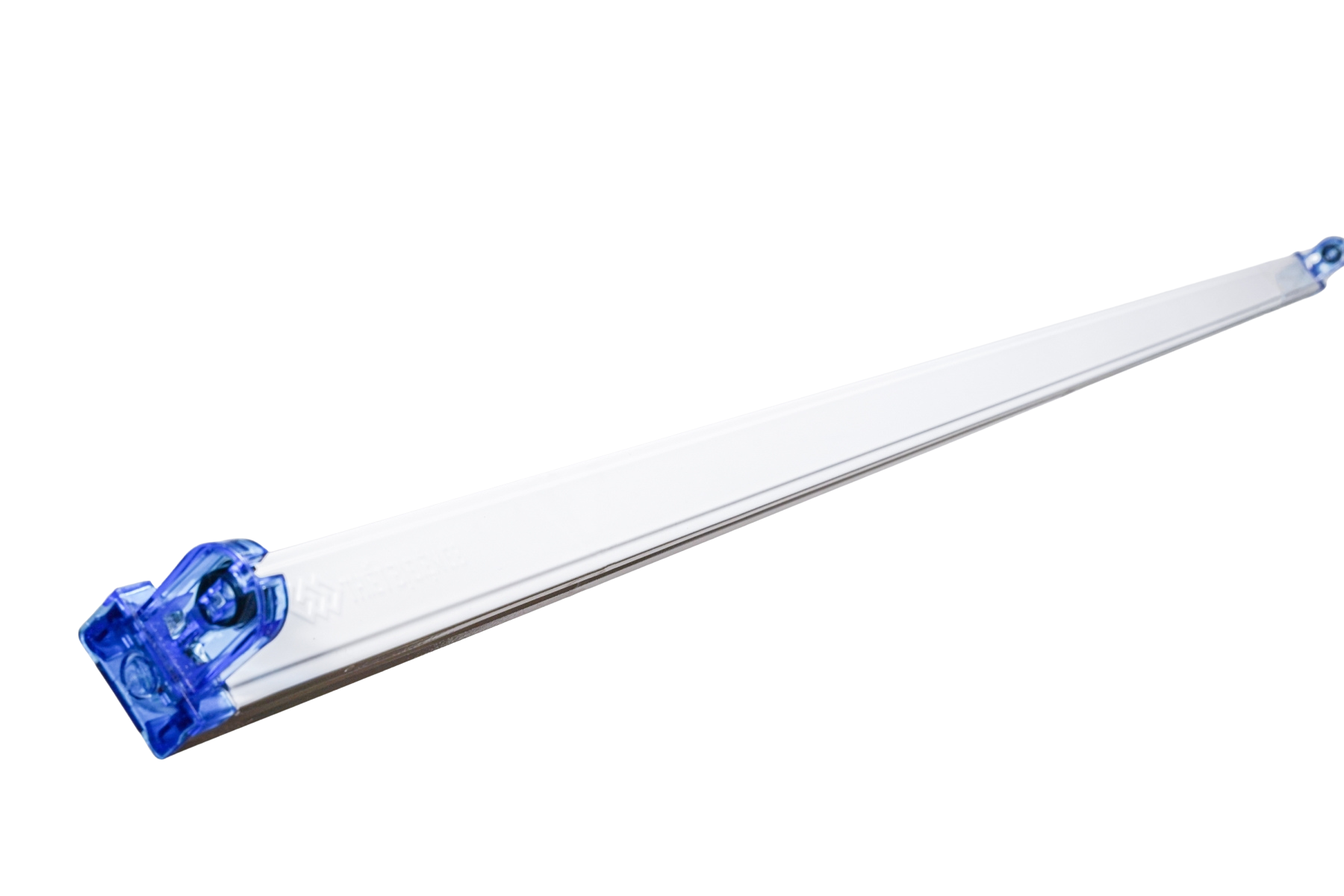
Ensure proper ballast compatibility: Many LED tubes work with existing fixtures without rewiring, but check voltage/ballast specs first.
6. Benefits of LED Tube Lighting
-
Cost savings: Lower electricity and replacement costs over time.
-
Improved comfort: Stable, flicker-free light is healthier for eyes.
-
Eco-conscious: Less waste and no toxic components.
-
Installation ease: No ballast or wiring changes needed if compatible.
7. Call to Action
Looking to upgrade your lighting to LED tubes? Contact us today for:
-
📃 Tailored quotes and bulk purchase deals
-
⚙️ Expert advice on fixture compatibility and installation
-
✅ Technical datasheets and CE/RoHS certification