

Insulated Wall Panel – An Optimal Material for Modern Construction
1. What Is an Insulated Wall Panel?
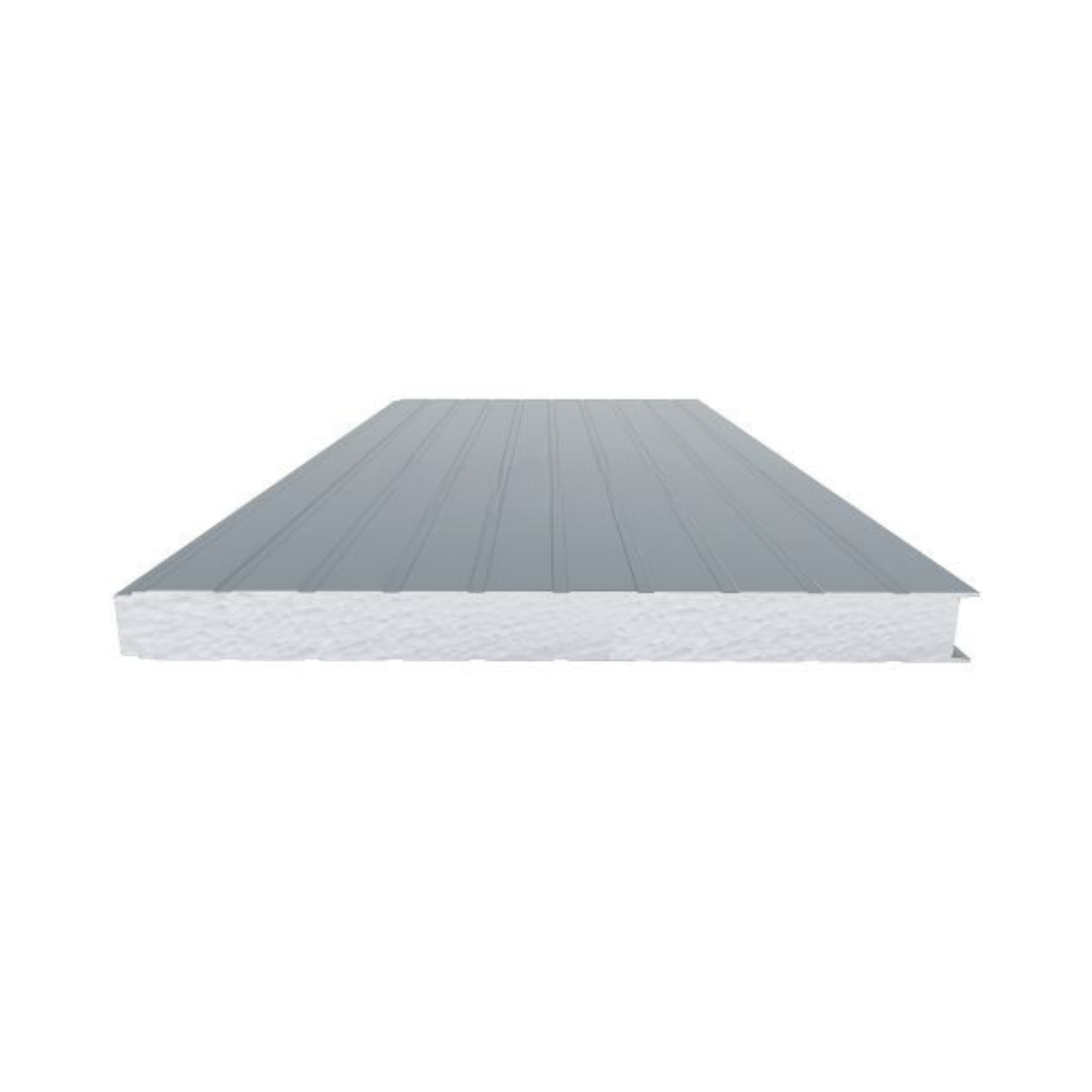
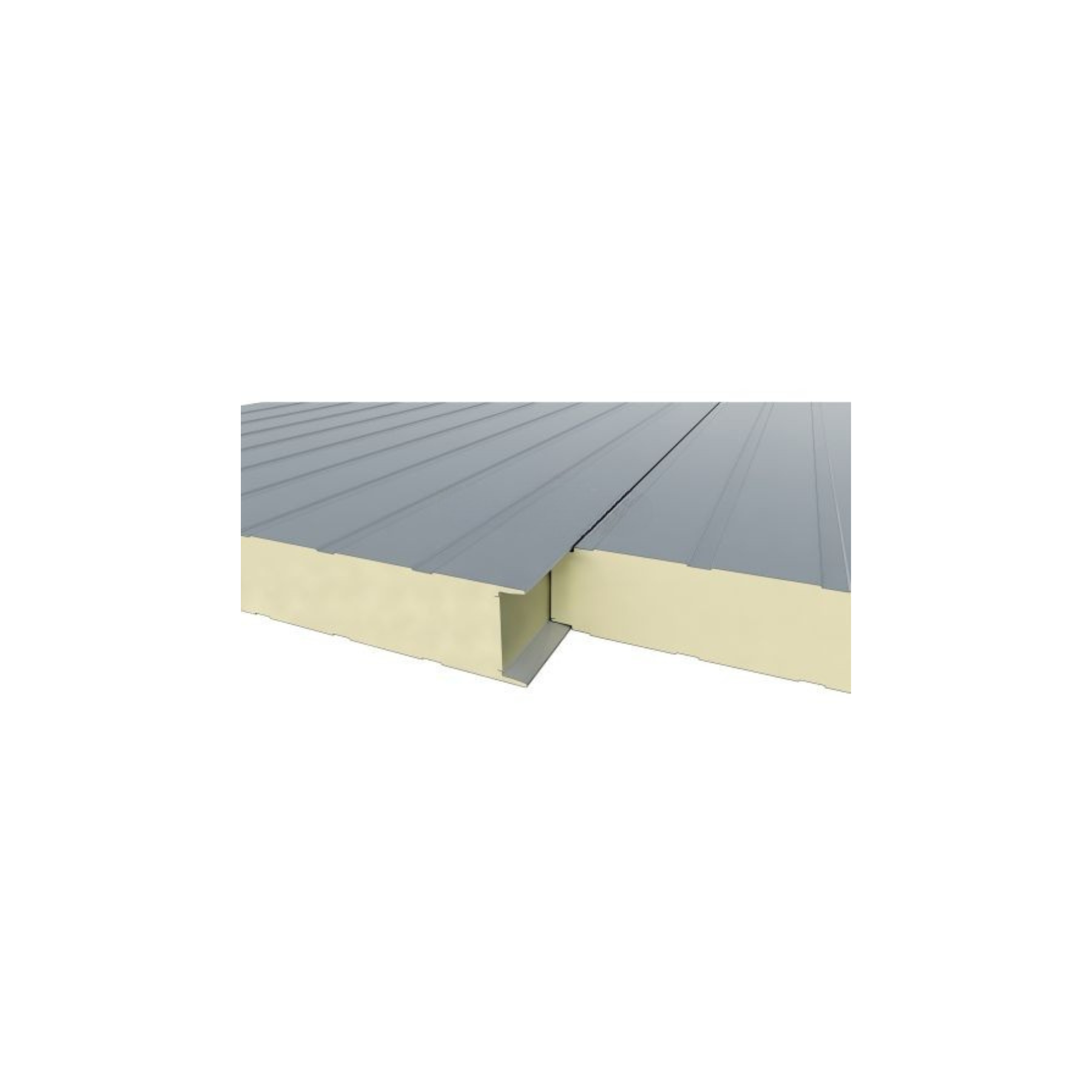
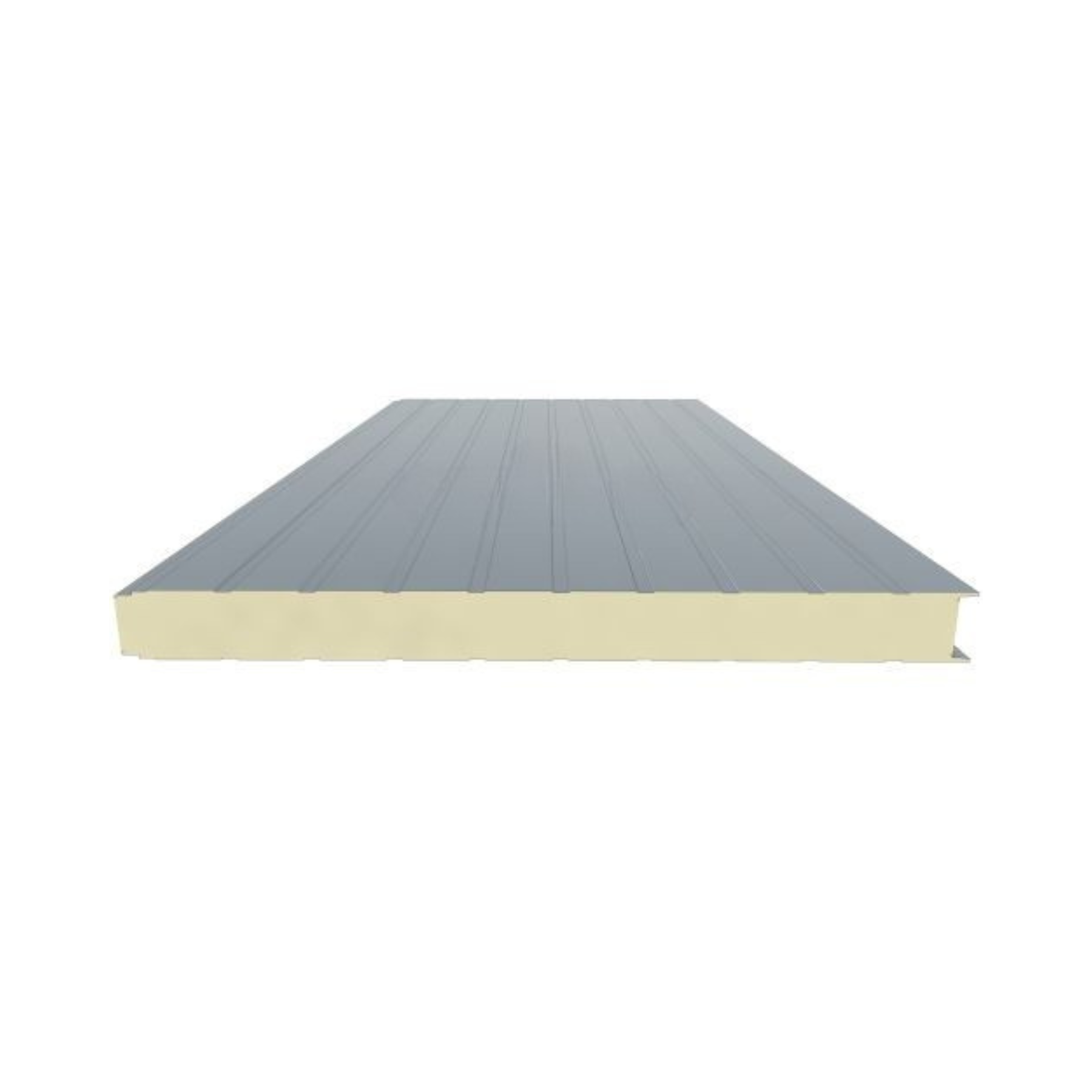
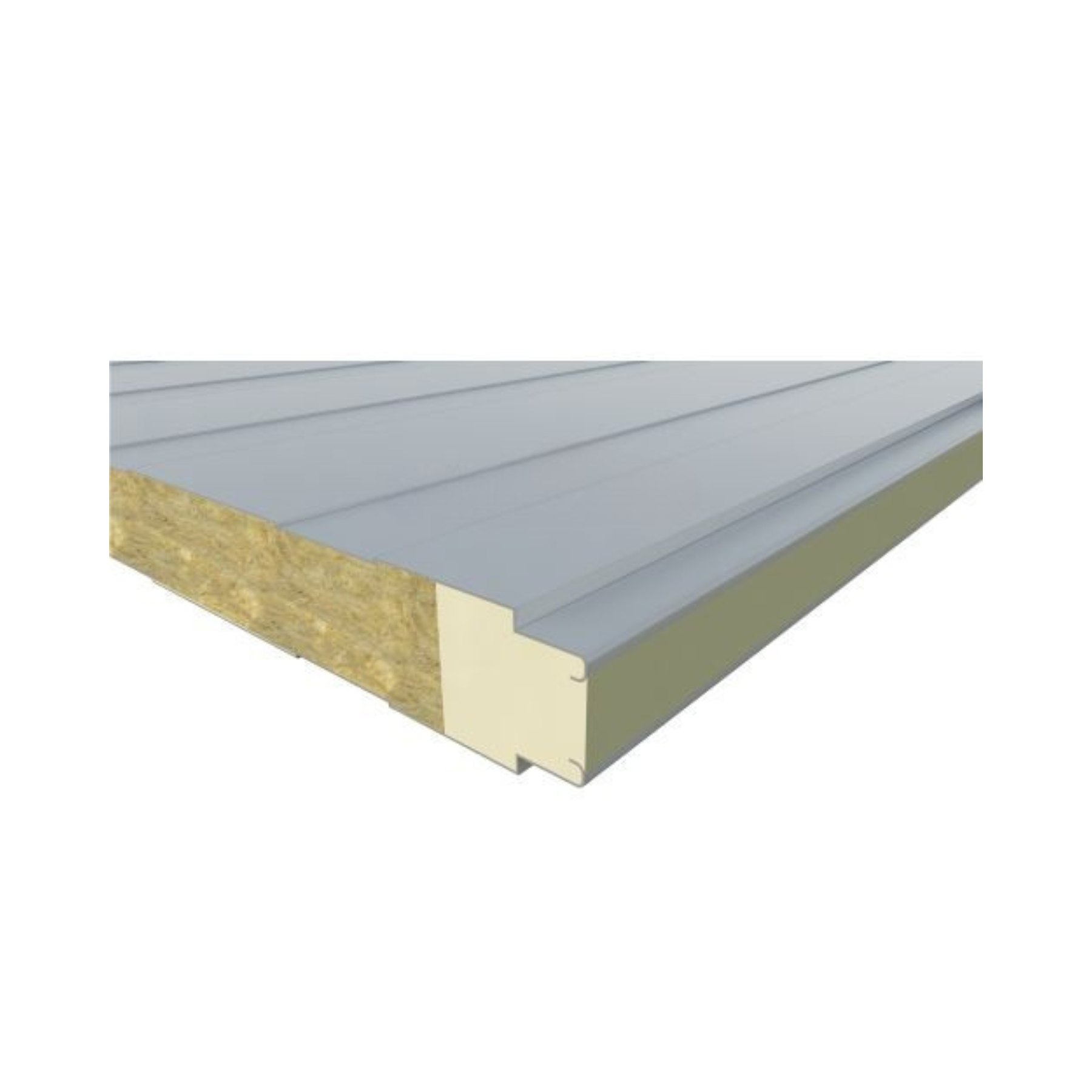
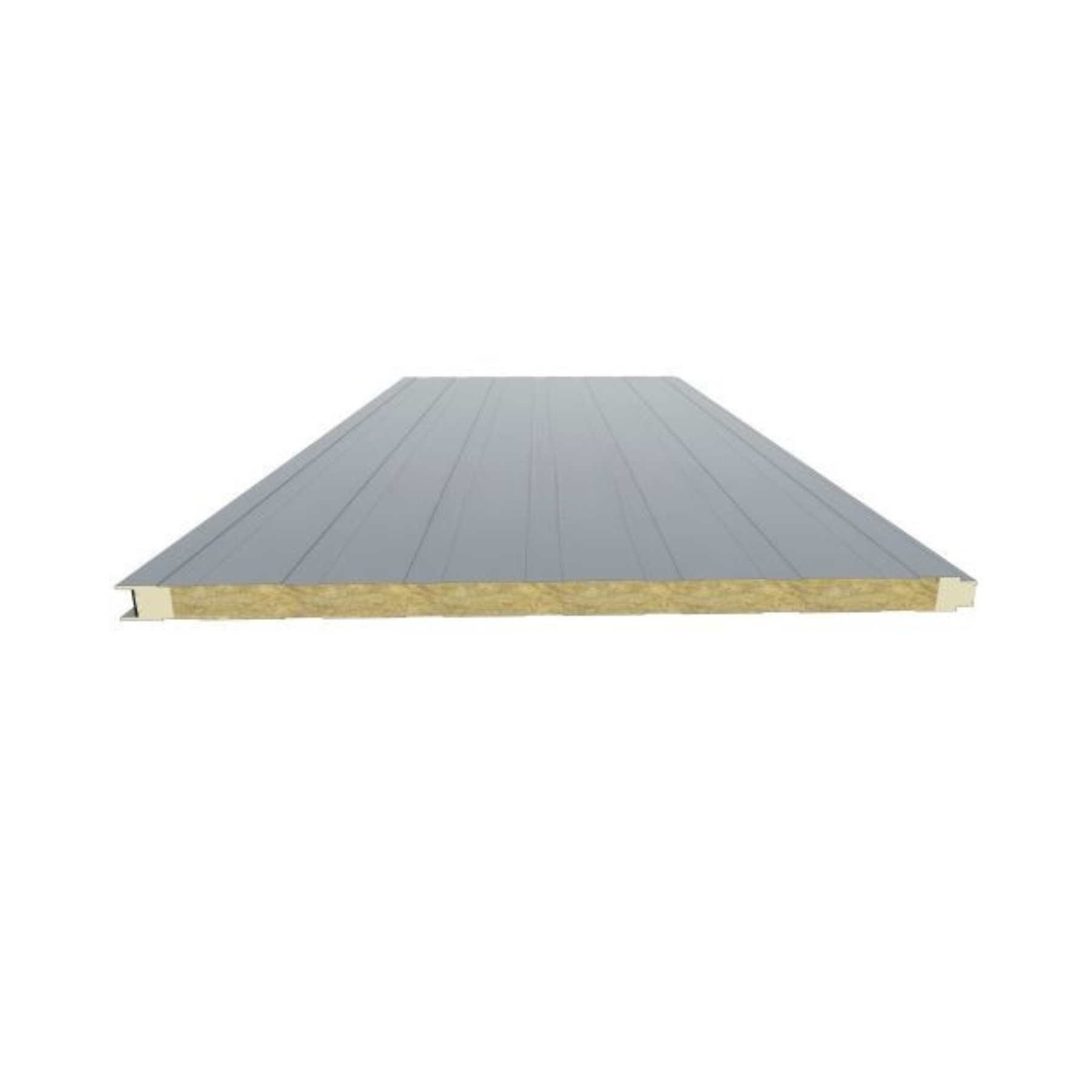
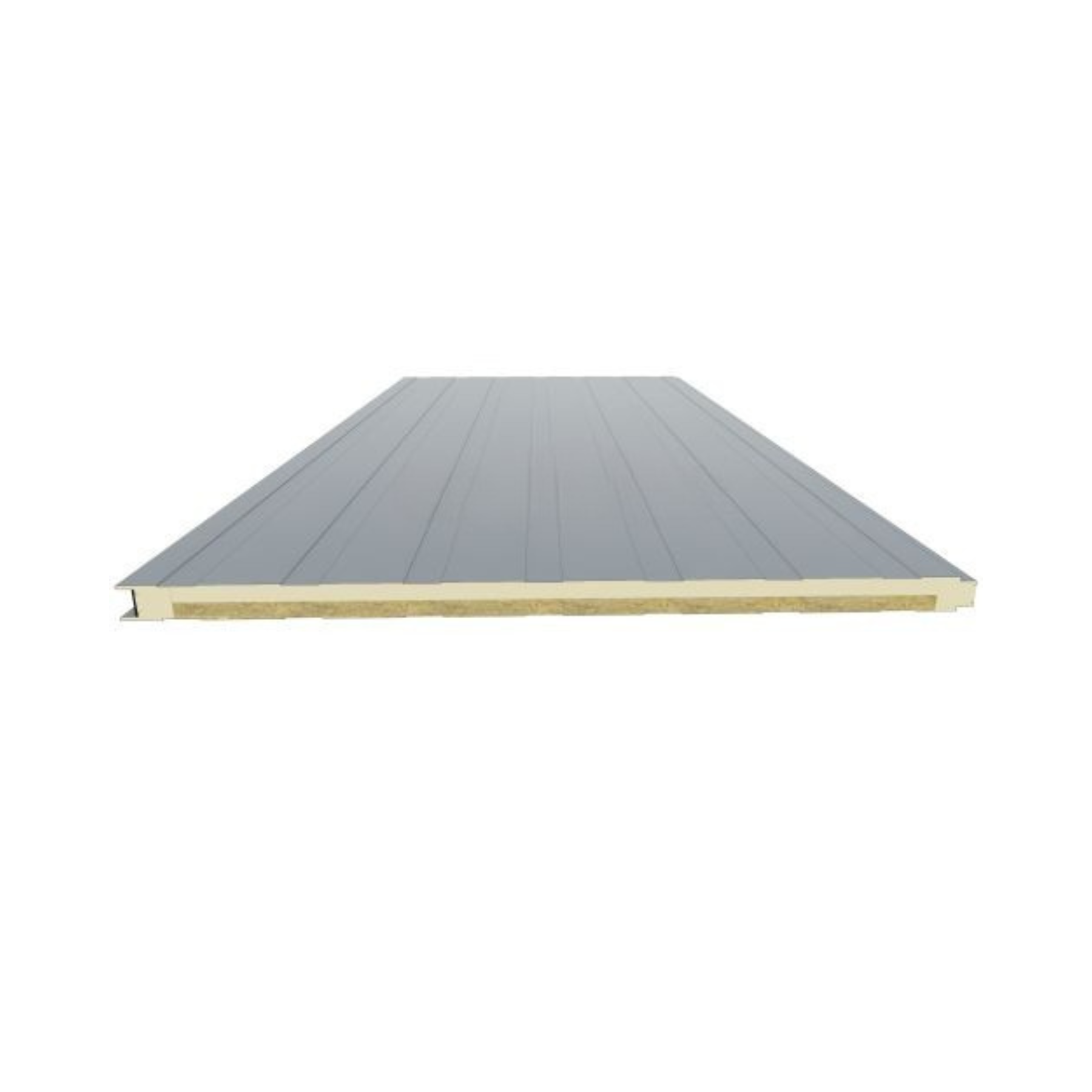
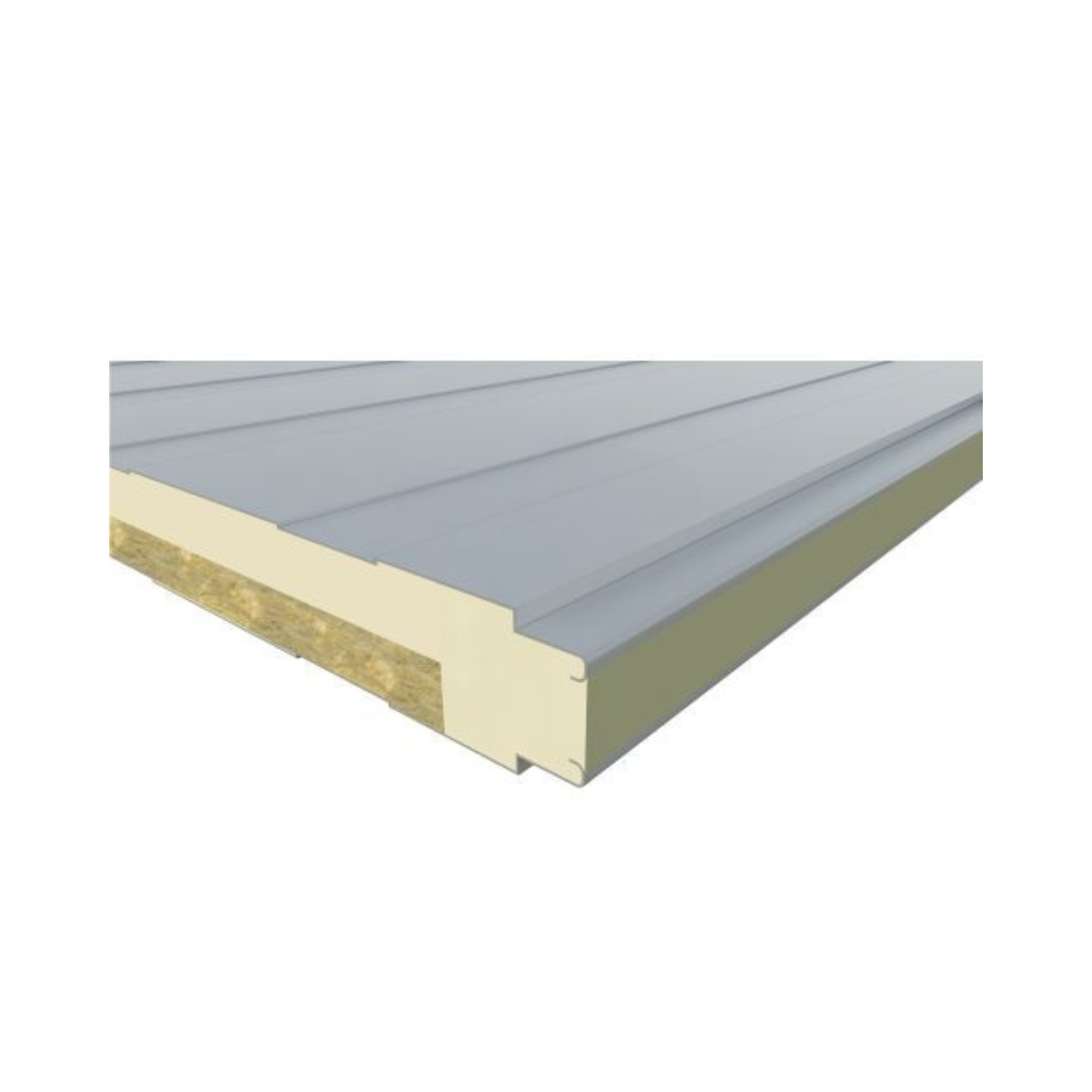
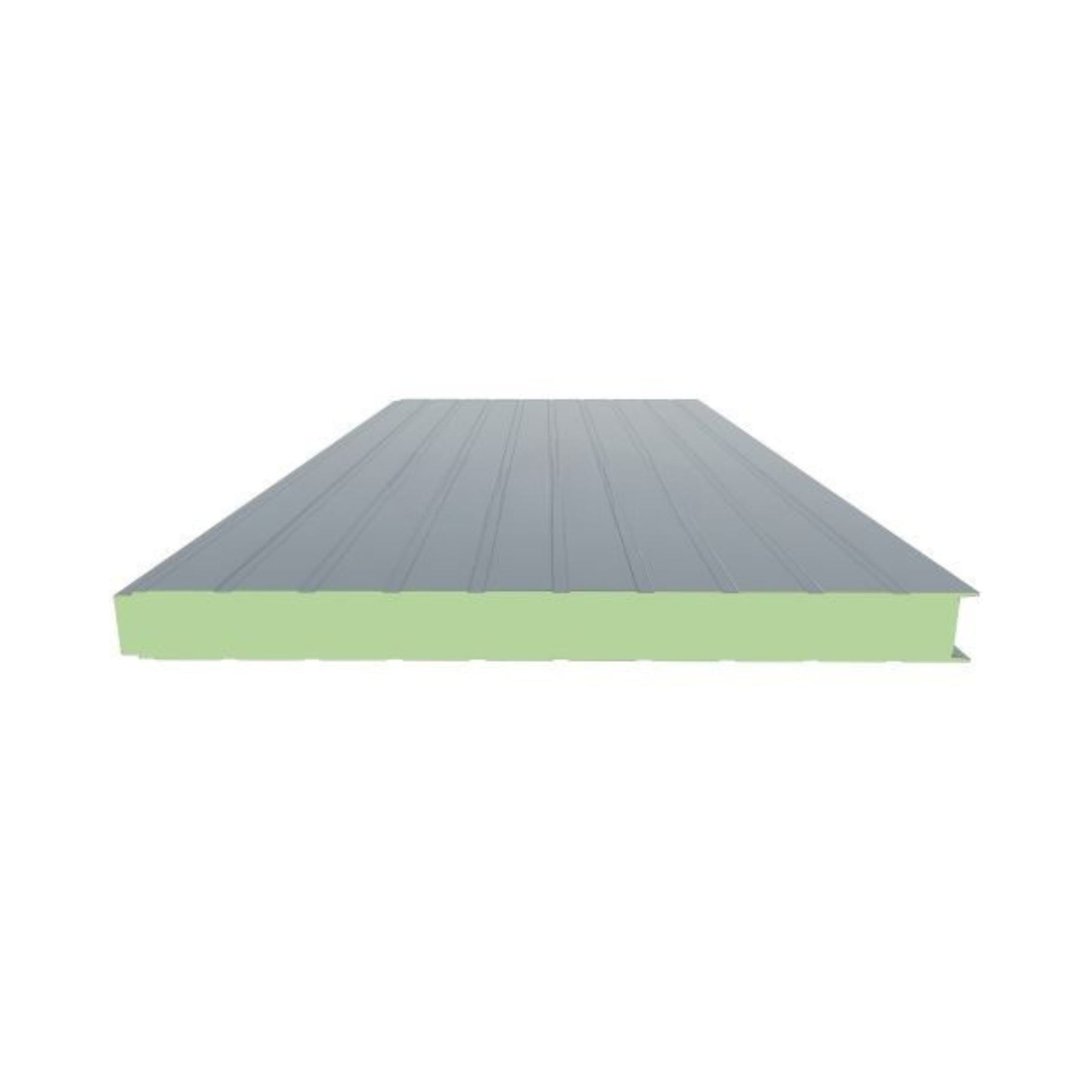
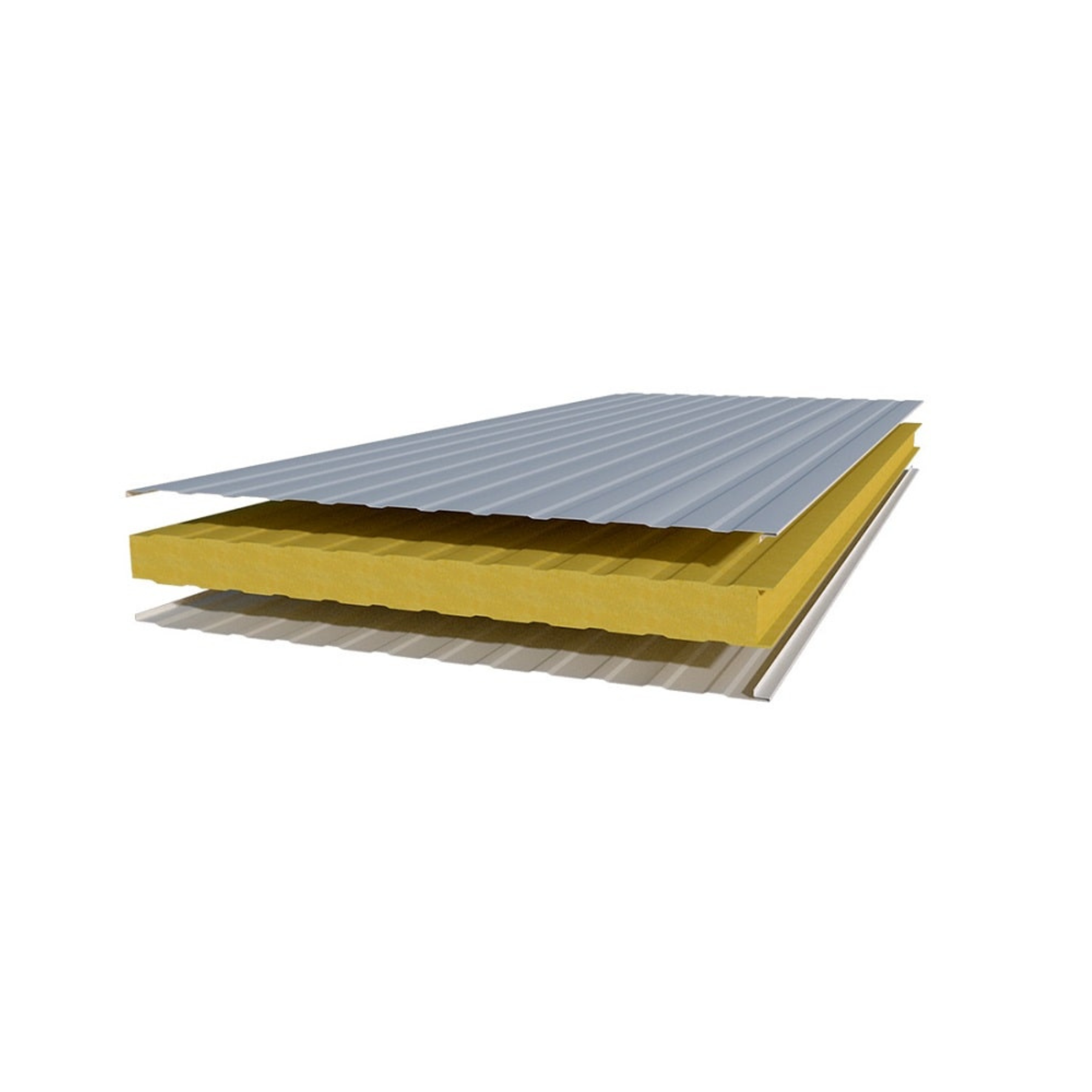
Insulated wall panels are sandwich-structured building materials consisting of three layers: two outer layers of coated steel and a thermal insulation core in the middle. These panels are specially designed for partitions and enclosure walls in projects such as cold storage facilities, factories, cleanrooms, modular offices, recording studios, etc., offering superior thermal insulation, soundproofing, and fire resistance.
2. Technical Specifications
| Specification | Technical Value |
|---|---|
| Effective width | 950 mm |
| Panel length | Customizable, up to 12,000 mm |
| Common panel thickness | 50 mm – 75 mm – 100 mm |
| Steel sheet thickness | 0.30 mm – 0.50 mm |
| PU core density | 40 ± 2 kg/m³ |
| EPS core density | 10 – 20 kg/m³ |
| Rockwool core density | 40 – 120 kg/m³ |
| PU thermal conductivity | 0.018 – 0.022 W/m.K |
| Fire resistance rating | B2 (PU) to EI120 minutes (Rockwool) |
| Sound transmission loss | 22 – 28 dB (depending on the core type) |
| Working temperature range | -50°C to +80°C |
| Tensile strength | ≥ 0.018 MPa (depending on core & design) |
3. Key Advantages
-
Excellent thermal insulation: Ideal for cold storage and air-conditioned factories.
-
Effective soundproofing: Reduces noise for a better work and living environment.
-
Reliable fire resistance: Some core types meet fire ratings up to 120 minutes.
-
Fast installation: Shortens construction time and reduces labor costs.
-
Modern aesthetics: Smooth, uniform surfaces that pair well with other materials.
-
Lightweight structure: Reduces foundation load, suitable even for temporary buildings.
-
Reusable: Easy to disassemble and transport for repurposing.
4. Core Types and Their Applications
| Core Type | Features | Typical Applications |
|---|---|---|
| PU (PUR) | Good insulation, lightweight, B2 fire rating, widely used | Cold storage, factories, modular homes |
| PIR | Better insulation than PU, B1 fire rating | Cleanrooms, electronics, food industry |
| EPS | Low cost, lightweight, easy to install | Temporary housing, offices, containers |
| XPS | Great sound insulation, high moisture resistance, compressive strength | Utility basements, karaoke rooms |
| Rockwool | Fire resistance up to 120 minutes, soundproof, anti-mold | Chemical warehouses, data centers |
| Glasswool | Lightweight, sound-absorbing, moisture-resistant, EI60 fire rating | Factories, offices, tech rooms |
5. Real-World Applications
-
Partition walls for warehouses, factories, cold storage
-
External walls for prefabricated buildings and containers
-
Cleanrooms in pharmaceutical, food, and electronics industries
-
Modular offices and temporary construction sites
-
Acoustic panels for karaoke rooms, studios, recording booths
-
Cold rooms, chillers, data centers
6. Reference Pricing by Type
| Panel Type | Thickness (mm) | Price (VND/m²) |
|---|---|---|
| EPS | 50 | 230,000 – 270,000 |
| PU | 50 | 340,000 – 390,000 |
| PIR | 50 | 400,000 – 450,000 |
| Rockwool | 50 | 460,000 – 550,000 |
| Glasswool | 50 | 420,000 – 500,000 |
Note: Prices are for reference only. Actual costs may vary depending on quantity, steel type, delivery location, and technical requirements.
7. Considerations When Choosing Wall Panels
-
Carefully check core specifications (density, fire resistance rating)
-
Choose aluminum-zinc alloy coated steel or stainless steel for durability
-
Select the right panel thickness based on project needs (50–100 mm)
-
Verify material certifications and origin
-
Prefer suppliers offering professional installation and logistics support